Choosing the right Wine Glass Size is more complex than selecting the largest bowl. Global buyers must balance serving habits, table space, shipping costs, and customer expectations. A glass that performs well in a European restaurant may feel oversized in an Asian hotel or retail collection. The best choice depends on use, not appearance alone.
In practical sourcing work, 350 to 550 milliliters often suits standard red wine glasses. Smaller 250 to 350 milliliters can support white wine, tasting sets, and compact dining tables. Sparkling wine usually needs a narrower shape, although capacity alone does not guarantee good bubble retention. Bowl diameter, rim thickness, stem height, and base stability also affect the drinking experience. Small details matter.
Reliable Chinese manufacturers should explain capacity methods clearly. Buyers should request drawings, sample measurements, glass composition details, and breakage-test records. Factory audits and consistent quality checks add confidence. Packaging deserves equal attention. A beautiful glass is useless if cardboard dividers fail during a long shipment. Carton dimensions, pallet loading, and replacement policies should be reviewed before ordering.
There is no universal best size. That is worth admitting. Some buyers focus too heavily on volume and overlook hand comfort or cabinet storage. Others accept a sample without testing it in real service. A careful evaluation should include pouring trials, dishwasher cycles, table settings, and transport simulations. This guide examines practical Wine Glass Size options from China, helping global buyers compare function, cost, durability, and market fit with greater confidence. The final decision still requires testing.
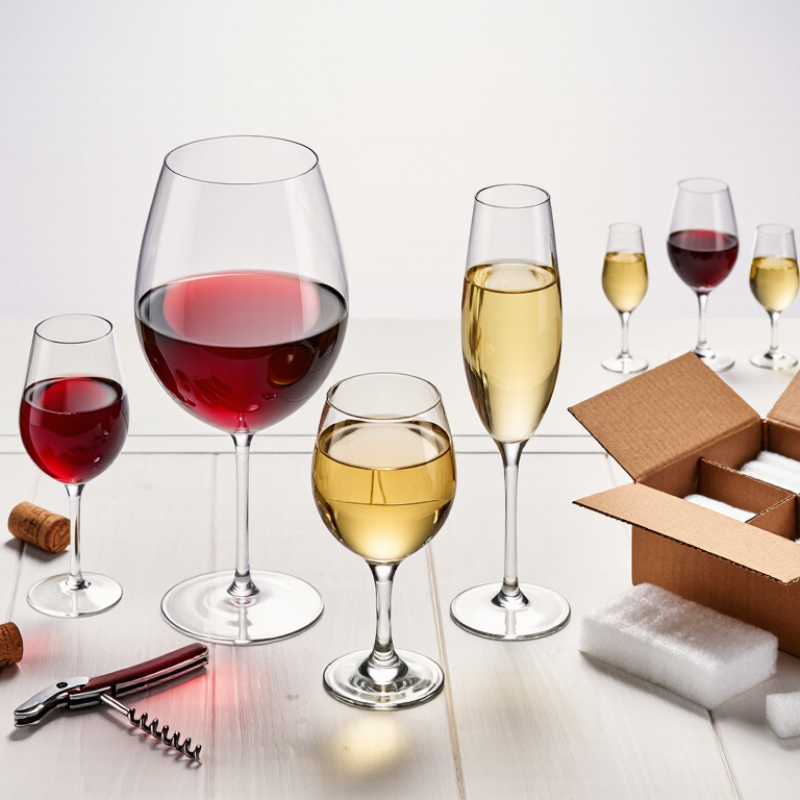
Wine Glass Size Standards Across Global Markets
China Best Wine Glass Size for Global Buyers?
Wine glass sizes differ across global markets, although no single worldwide standard controls every product. European buyers usually review capacity in millilitres, while American buyers often compare fluid ounces. A 500 ml bowl does not mean a 500 ml serving. Red wine glasses commonly range from 350 to 650 ml, while white wine glasses often range from 250 to 450 ml. Sparkling wine glasses are usually narrower, with capacities near 150 to 250 ml. Details matter.
In export sourcing, buyers should confirm capacity, rim diameter, height, stem length, and fill-line guidance together. A large bowl may improve aroma, but it can increase carton size and breakage risk. A narrow bowl saves space, yet may feel unsuitable for full-bodied wines. Fit matters. Glasses designed for restaurants may need thicker walls and stronger stems. Household buyers may prefer lighter glass and easier storage. These preferences vary between markets, venues, and consumer age groups.
A practical error is comparing capacity alone. Measure twice. One supplier may list total volume, while another lists usable volume below the rim. That difference can create inconsistent product pages and customer complaints. Buyers should request a technical drawing, sample measurement, and packaging test before approving production. Local labeling rules may also require metric units, regional serving information, or specific material disclosures. These requirements should be checked with qualified import and compliance professionals, because market rules can change. Our cautious view is simple: standard size ranges help, but the final choice must reflect local habits, shipping conditions, and actual hand comfort.
How Bowl Capacity Shapes Wine Aroma and Drinking Experience
China Best Wine Glass Size for Global Buyers?
For global buyers, bowl capacity is not a decorative detail. It controls how wine moves, opens, and reaches the nose. A bowl around 450 to 650 milliliters often suits full-bodied red wines. Its wider surface exposes more liquid to air. More headspace can release dark fruit, spice, and oak notes.
Yet a large bowl is not always better. It may soften delicate aromas and make a small pour feel visually unbalanced. During tasting trials, smaller bowls of 300 to 400 milliliters often keep light white wines focused. Their narrower shape directs fresh acidity toward the front of the palate. Sparkling wines usually benefit from taller bowls, which help preserve bubbles and lift floral aromas.
Capacity also changes the drinking experience. A 350-milliliter glass encourages moderate pours and feels practical in restaurants. A 550-milliliter bowl creates more movement, but it needs stronger stems and careful packaging. Chinese glass production can support different capacities, yet buyers should confirm usable capacity, not only the rim-to-rim volume. Filling a glass completely leaves little room for swirling.
In my own product testing, one early assumption failed. Bigger bowls did not improve every wine. Some wines became quiet and thin. Buyers should compare the same wine in two or three bowl sizes. Record aroma intensity, balance, grip, and user comfort. Clear specifications should include capacity, bowl diameter, height, rim thickness, and tolerance. That detail reduces surprises across international shipments.
China Best Wine Glass Size for Global Buyers? - How Bowl Capacity Shapes Wine Aroma and Drinking Experience
Practical glass-capacity guidance for international wineware sourcing and product selection
| Wine Glass Type |
Typical Bowl Capacity |
Recommended Pour |
Approx. Unfilled Headspace |
Recommended Bowl Diameter |
Best Wine Applications |
Aroma and Drinking Experience |
Global Buyer Positioning |
| Universal Wine Glass |
400–500 ml |
120–150 ml |
Approximately 65–75% |
75–90 mm |
Everyday red, white and rosé wines |
Balanced shape with enough air space for moderate swirling; suitable for a broad range of wine styles. |
Most versatile option for mixed retail, hospitality and gift-set programs. |
| Bordeaux-Style Red Wine Glass |
550–700 ml |
140–160 ml |
Approximately 70–80% |
85–100 mm |
Full-bodied Cabernet Sauvignon, Merlot and similar structured reds |
Taller bowl and generous headspace support swirling and help soften the perception of strong tannins by increasing air contact. |
Well suited to premium red-wine collections and restaurant service. |
| Burgundy-Style Red Wine Glass |
650–900 ml |
120–150 ml |
Approximately 75–85% |
100–125 mm |
Pinot Noir, Nebbiolo and aromatic, delicate reds |
Wide bowl increases the wine-air interface and directs delicate aromas toward the nose; excessive filling can reduce its benefit. |
Useful for premium tasting ranges where aroma presentation is a key selling point. |
| White Wine Glass |
300–450 ml |
100–130 ml |
Approximately 60–75% |
65–85 mm |
Sauvignon Blanc, Chardonnay, Riesling and rosé |
Moderate capacity preserves freshness while providing sufficient space for floral, citrus and fruit aromas to develop. |
Practical for casual dining, wine bars and buyers seeking a compact, easy-to-store format. |
| Sparkling Wine Flute |
180–250 ml |
90–120 ml |
Approximately 40–60% |
45–60 mm |
Champagne-method and tank-method sparkling wines |
Narrow geometry helps retain carbonation and emphasizes visual bubble movement, although it provides less aroma exposure than a wider bowl. |
Efficient for banqueting, events and high-volume service where vertical storage is valuable. |
| Sparkling Wine Tulip |
300–450 ml |
100–130 ml |
Approximately 55–70% |
65–80 mm |
Premium sparkling wines and aromatic sparkling styles |
Combines better aroma concentration than a flute with sufficient height to display bubbles and maintain a refined presentation. |
Strong choice for premium hospitality and multi-purpose sparkling-wine collections. |
| Dessert and Fortified Wine Glass |
180–300 ml |
60–90 ml |
Approximately 55–75% |
55–75 mm |
Port-style, Sherry-style, sweet and fortified wines |
Smaller capacity naturally encourages controlled servings and concentrates intense sweetness, spice and dried-fruit aromas. |
Suitable for tasting sets, specialty retailers and portion-controlled foodservice. |
| ISO-Style Tasting Glass |
210–225 ml |
50–75 ml |
Approximately 65–80% |
65–70 mm |
Professional tasting, sensory evaluation and comparative sampling |
Standardized proportions improve consistency between tastings and provide adequate space for swirling without excessive wine volume. |
Best for laboratories, education programs, competitions and structured tasting events. |
Measurement note: Bowl capacities are typical nominal ranges, not mandatory international standards. Headspace is calculated from the recommended pour compared with nominal capacity. Actual aroma performance also depends on bowl geometry, rim diameter, stem height, glass thickness, wine temperature and serving volume. For most global buyers, a 400–500 ml universal glass offers the broadest balance between aroma development, storage efficiency and everyday usability.
Key Factors for Choosing Wine Glass Sizes for International Buyers
China Best Wine Glass Size for Global Buyers?
International buyers should choose wine glass sizes by use, not appearance alone. A 350–450 ml bowl suits restaurants, hotels, and home dining. It leaves enough space for swirling without encouraging overfilling. For tasting programs, ISO 3591:1972 specifies a dedicated wine-tasting glass with approximately 215 ml capacity. This smaller format supports controlled pours and clearer sensory comparison. However, one size rarely fits every market.
Regional habits also affect purchasing decisions. European restaurants may prefer compact stems for table efficiency. North American buyers often request larger bowls for premium red wines. In practice, a 550 ml glass can look impressive, but it needs more storage space and careful handling. OIV’s State of the World Vine and Wine Sector 2024 reported global wine consumption at 214.2 million hectolitres in 2023, down 2.6%. This decline makes flexible, lower-risk product ranges more sensible. The data does not prove that smaller glasses always sell better. Buyer interviews and sample testing still matter.
Tips: Offer 350 ml, 400 ml, and 550 ml samples before production. Test them with actual pours, dishwashers, shelves, and shipping cartons. Measure rim diameter, stem height, and carton density. Ask distributors about local serving habits. A 400 ml universal glass may be the safest starting point, but it is not perfect. Some buyers may reject it as too ordinary. That feedback is useful.
China Best Wine Glass Size for Global Buyers
Key factors for choosing wine glass sizes by wine style and international market needs
The chart shows representative bowl capacities commonly used in hospitality and retail glassware specifications.
Larger bowls are generally preferred for red wines to support aroma development, while sparkling and dessert wines
typically use smaller capacities for portion control and presentation. Actual requirements may vary by market,
serving style, packaging, and customer preference.
Packaging, Shipping, and Compliance Considerations for Wine Glasses
China Best Wine Glass Size for Global Buyers?
For many markets, a 350–550 ml wine glass offers a practical balance between use, carton size, and freight cost. Larger bowls can look elegant, but they need wider dividers and stronger outer cartons. That increases pallet volume. Fit matters more. Measure the glass, stem, base, and protective space before confirming the order. A trial carton should face drop testing from realistic handling heights. Check for rim chips, loose stems, and crushed corners after testing. Glass still breaks.
Use molded pulp inserts or firm paper dividers to prevent contact between pieces. Double-wall cartons often provide better protection during long ocean routes. Keep carton weight manageable for warehouse staff. Add clear handling marks, quantity labels, and lot identification where required by the buyer. For compliance, request food-contact documentation, material specifications, and relevant migration-test reports for the destination market. Do not rely on a generic certificate. Requirements can differ by country and may change. Confirm importer records, packaging-waste duties, labeling rules, and customs documents before production. A small detail is often missed: the packed glass may exceed the buyer’s shelf depth. Recheck the final carton drawing. One correction before loading is cheaper than a damaged shipment.
Conclusion
Choosing the right Wine Glass Size is essential for global buyers who want to balance presentation, performance, and market expectations. Standards vary by region and by wine type, while bowl capacity directly affects how aromas develop, how wine is swirled, and how comfortably it can be enjoyed. Red wines commonly use larger bowls to support aeration, whereas white wine glasses are generally more compact to preserve freshness. Sparkling wine glasses are designed to retain bubbles, and dessert wine glasses are typically smaller to support controlled serving portions.
International buyers should also consider consumer preferences, storage space, glass thickness, durability, and production consistency. Packaging design is equally important, as wine glasses require protective inserts and reliable cartons to reduce breakage during long-distance shipping. Export documentation, material specifications, labeling, and product safety requirements should be reviewed for each destination market. By combining functional design, suitable capacities, efficient packaging, and clear compliance planning, buyers can select wine glasses that meet diverse customer expectations and support dependable international distribution.