Explore our hot-selling wholesale glass bottles, manufactured with elite craftsmanship and distributed globally.
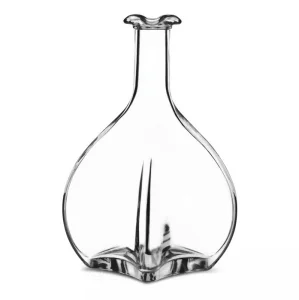
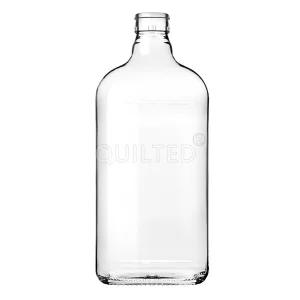
China 1000ml GINEBRA OVALE Liquor Glass Whisky Bottle Manufacturer, Suppliers
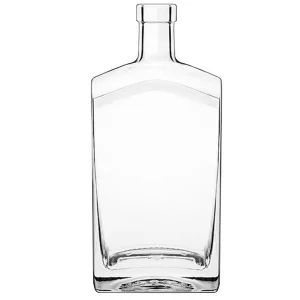
Wholesale 700 ml 750 ml Clear Glass Desiree Liquor Bottles Manufacturer, Suppliers
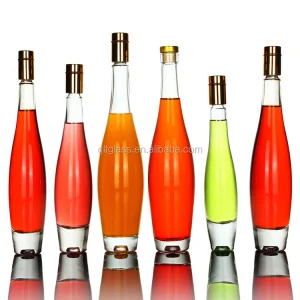
China Custom bulk liquor clear ice glass vodka bottle for sale Manufacturers, Supplier
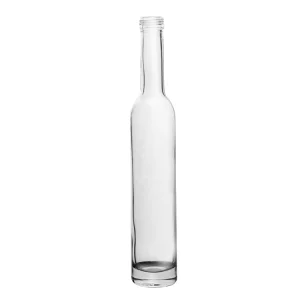
Wholesale 375ml Clear Liquor Glass Bottles Manufacturers, Supplier
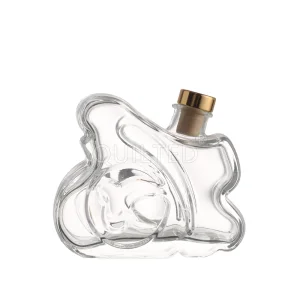
China 200 ml Rabbit shape liquor glass gin bottle Manufacturers, Supplier
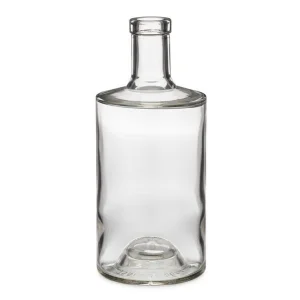
Wholesale 750 ml Clear Glass Belleville Liquor Bottles Manufacturer, Suppliers
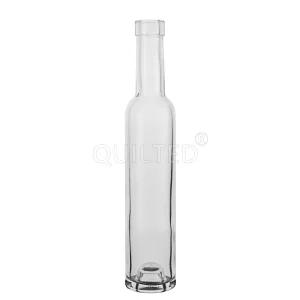
China Bulk 200 ml liquor glass vodka bottle with cork Manufacturers, Suppliers
Why global brands rely on QLT Glass for their strategic bottling operations.
Our premier custom bottle manufacturing service, with an optimized supply chain, seamlessly transforms your concepts into stunning packaging solutions.
Crafting our custom glass packaging solutions within our state-of-the-art bottling facility enables us to drive down costs while ensuring swift delivery of top-notch finished goods.
Avail yourself of our complimentary glass bottle samples, aiding you in solidifying your decision to invest in our premium glass bottle selections, facilitating bulk purchases with confidence.
The "demi" or "half-bottle" format, standardizing at 375 ml, occupies a highly strategic segment in the global packaging industry. Historically associated with dessert wines, ice wines, and ports, the 375 ml bottle has experienced an unprecedented resurgence. Driven by shifts in consumer demographics, premiumization, and sustainability demands, its applications have expanded rapidly across spirits, craft cocktails, and high-end non-alcoholic beverages.
Globally, the market is undergoing a transition from high-volume, low-margin products to high-quality, specialized options. Consumers are increasingly valuing moderation and portion control without wanting to compromise on the luxury of glass packaging. By offering a smaller size, distilleries and wineries can reduce barriers to entry for premium product lines, encouraging trial purchases and minimizing product waste.
A 375 ml glass bottle matches the exact profile of standard 750 ml bottles but offers superior versatility, lower overall shipping weights per retail unit, and opens up new direct-to-consumer (DTC) channels for high-value spirits and liqueurs.
Within the wine sector, the 375 ml glass bottle is essential for highly concentrated products like Sauternes, Tokaji, Ice Wine, and premium red blends. In the spirits sector, it serves as an ideal intermediate step between the standard 750 ml bottle and the 50 ml miniature bottle. In North America and Western Europe, this format has become highly popular for craft gins, single-barrel whiskies, and ready-to-drink (RTD) cocktail lines, matching the aesthetic value of standard premium glass while meeting the needs of modern lifestyles.
When sourcing 375 ml glass bottles, international procurement managers must consider exact mechanical and chemical parameters. At QLT Glass, our engineering processes are designed to meet strict tolerance limits across all formats. Below is a breakdown of our standard technical specifications:
| Specification Parameter | Standard Tolerances | High Flint Glass Quality | Extra Flint Glass Quality |
|---|---|---|---|
| Nominal Capacity | 375 ml | 375 ml ± 5ml | 375 ml ± 3ml |
| Brimful Capacity | Approx. 390 ml - 400 ml | ± 6 ml | ± 4 ml |
| Average Weight | 350g to 480g (depending on design) | ± 15g | ± 10g |
| Thermal Shock Resistance | ≥ 42°C (ISO 7459) | Pass | Pass (Premium Annealing) |
| Vertical Load Strength | ≥ 3000 N (ISO 8113) | Compliant | Reinforced Base Design |
| Internal Pressure Rating | Up to 1.6 MPa (for carbonated lines) | Tested Option Available | High Pressure Tested |
Our bottles are produced in accordance with strict international guidelines, including FDA compliance for food-grade safety, European Directive 94/62/EC (heavy metals limits), and ISO 9001 quality management standards. This ensures that every bottle can withstand the rigors of automated filling lines, pasteurization, transport stresses, and extreme temperature fluctuations.
China is a global leader in high-performance glass packaging production. By combining advanced infrastructure, comprehensive material supply chains, and highly automated manufacturing technologies, Chinese factories offer an optimal balance of cost-efficiency and product quality.
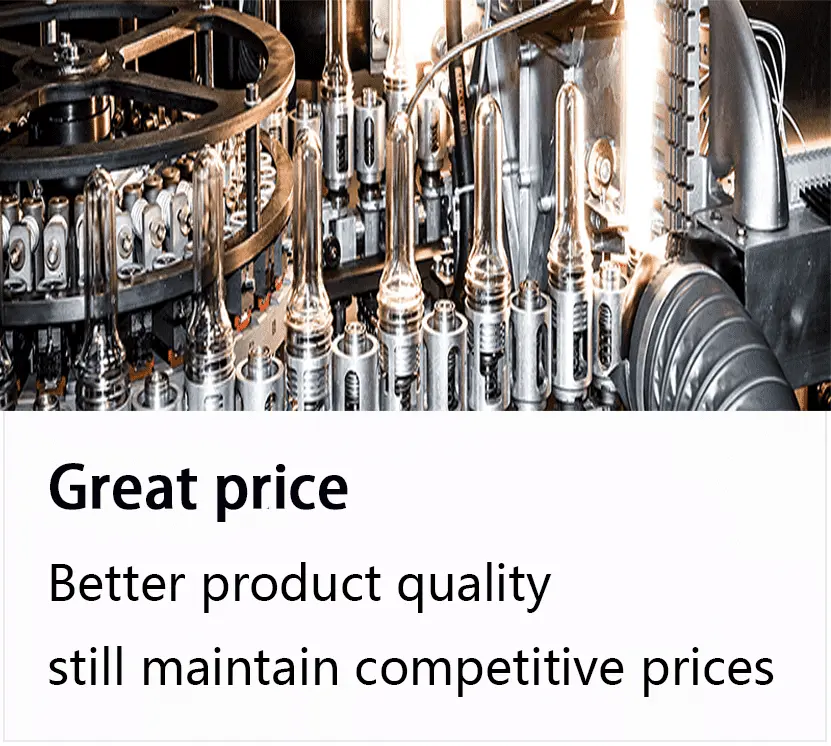
Our advanced glass production lines utilize Individual Section (IS) machines that can run continuously, producing hundreds of thousands of uniform bottles daily. These operations are supported by automatic inspection machines utilizing optoelectronic detection. These systems instantly scan every bottle for structural defects, bubbles, stone inclusions, or neck size deviations, and automatically reject sub-standard products before they reach the packaging stage.
Additionally, the raw materials required for glass production—specifically high-grade silica sand, soda ash, limestone, and cullet (recycled glass)—are sourced locally from high-purity deposits. This access, combined with efficient gas-fired regenerative furnaces, helps minimize environmental impact while keeping production costs competitive. As a result, global buyers benefit from lower per-unit costs, reliable bulk lead times, and highly customizable glass formulations.
As brands look to stand out in competitive markets, custom packaging has become a key differentiator. A standard bottle shape may not convey the unique heritage of your product. That is why QLT Glass offers extensive customization capabilities, enabling brands to create highly distinctive visual and tactile packaging designs.
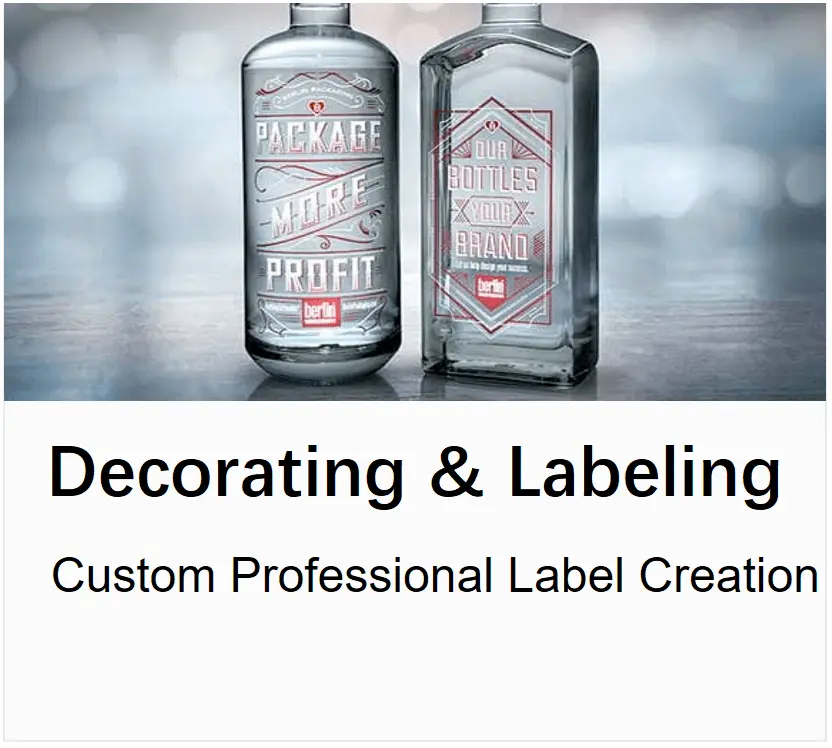
We provide a wide range of surface embellishments, including acid etching for a frosted look, high-temperature ceramic decal printing, organic spray coatings in matte or gloss, metallic vacuum plating, and precise screen printing with precious metals.
Using advanced CAD/CAM modeling, we can design custom molds featuring embossed brand logos, historical patterns, or unique textures directly on the glass shoulders, body, or base, helping to protect your brand identity and combat counterfeiting.
From a localization perspective, the 375 ml bottle adapts well to various market scenarios:
The global glass packaging industry is evolving in response to changing environmental regulations and shifting consumer expectations. The future of glass bottle production centers around two primary focuses: Lightweighting and Sustainability.
Glass Lightweighting (NNPB Process): By utilizing Narrow Neck Press and Blow (NNPB) technology, we can manufacture glass bottles with thinner, more consistent walls. This reduces the overall bottle weight by up to 20% without compromising mechanical strength or drop resistance. Lighter bottles mean lower shipping costs, reduced raw material usage, and a smaller carbon footprint per unit.
Post-Consumer Recycled (PCR) Integration: Incorporating high percentages of clean cullet (recycled glass) into our furnaces significantly reduces melting temperatures and energy consumption. For green and amber glass compositions, we can achieve up to 75% PCR content, aligning with the circular economy goals of global beverage brands.
By laser-marking a unique QR or matrix code onto the heel of the bottle, we enable complete batch traceability. This allows brands to track raw materials, production times, and carbon intensity throughout the supply chain.
In Stock, On Time: QLT Glass, Your Swift Solution for Premium Packaging. Ready to Ship Excellence!
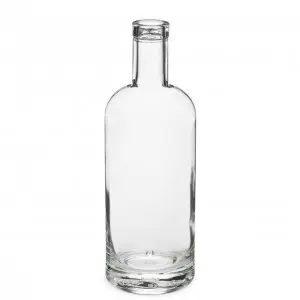
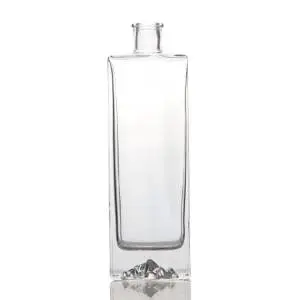
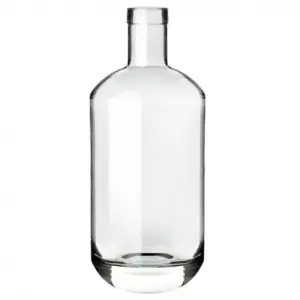
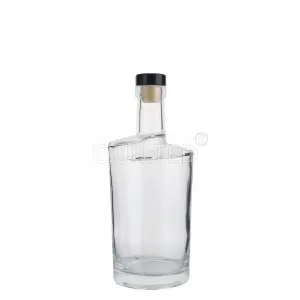
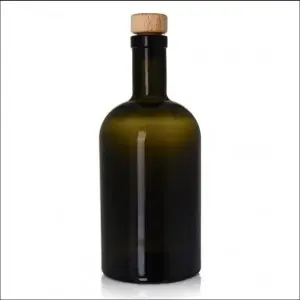
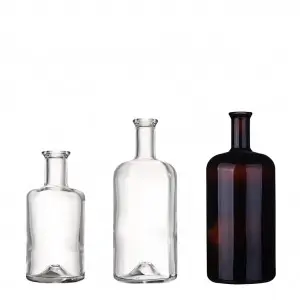
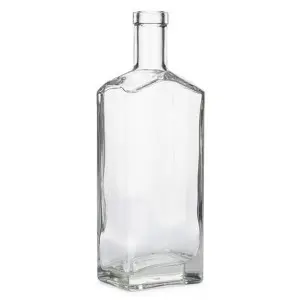
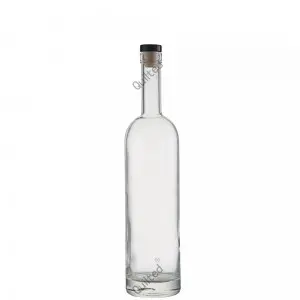
Providing comprehensive logistics, raw material mixing, batching, melting, shaping, and meticulous annealing.
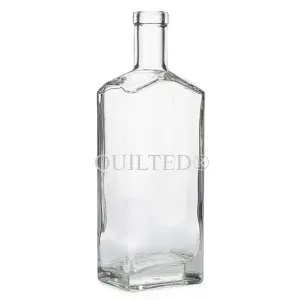
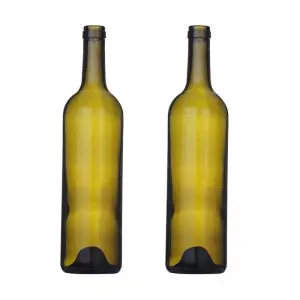
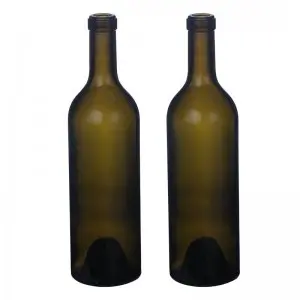
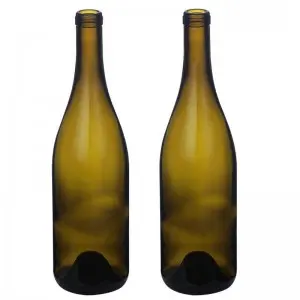
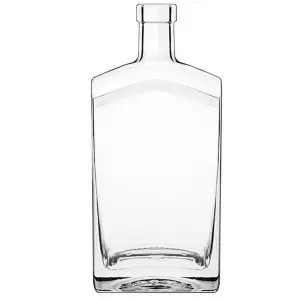
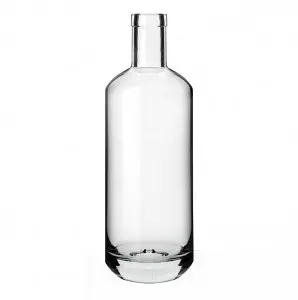
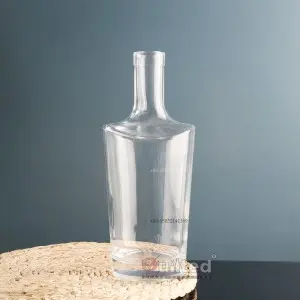
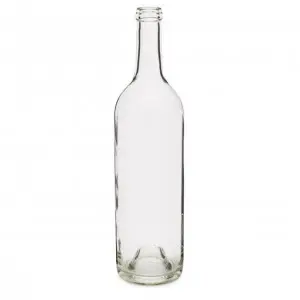
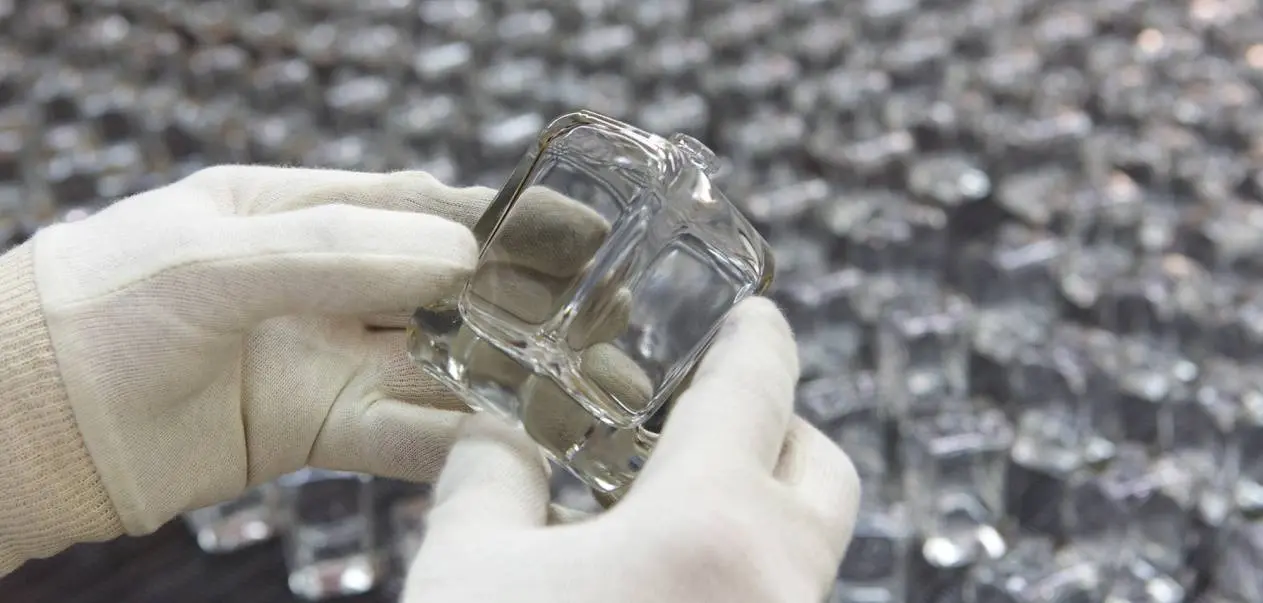
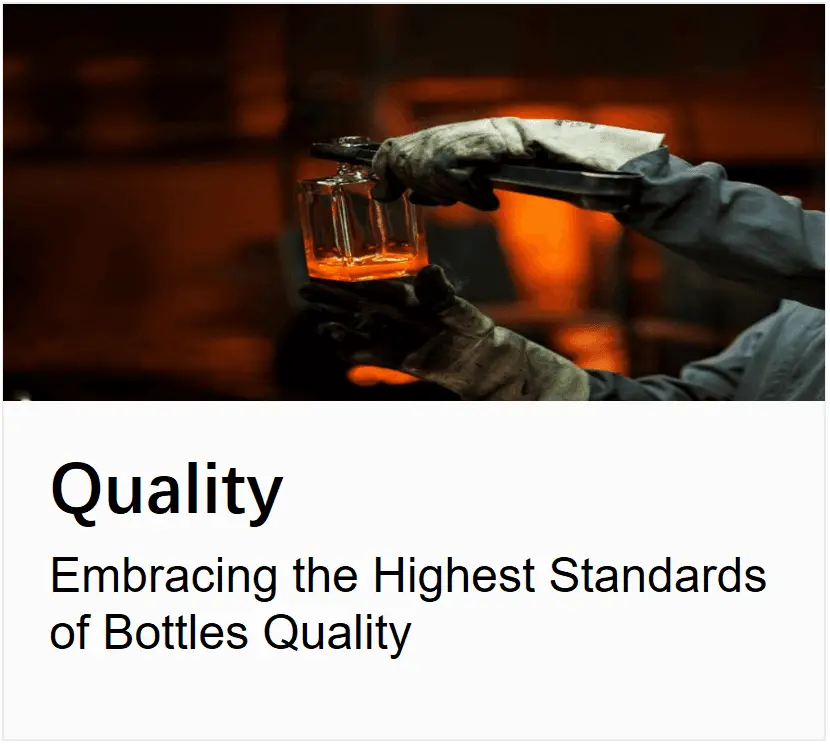
As a leading Chinese glass bottle manufacturer, we take pride in our ability to produce glass bottles from start to finish. Our integrated processes encompass raw material crushing and mixing, precise batching, melting, shaping, and meticulous annealing, ensuring top-notch quality at every step.
Read All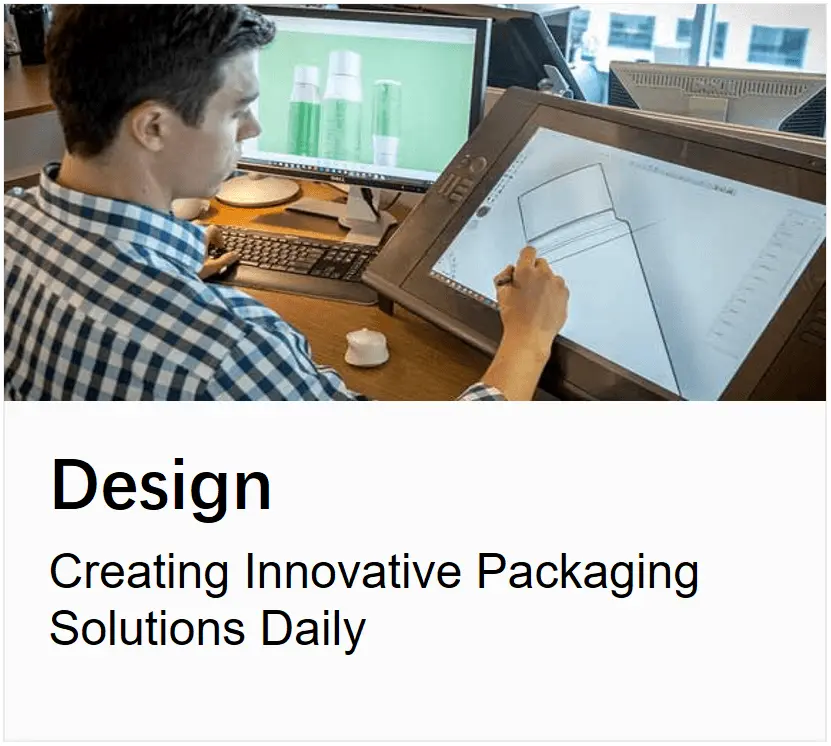
From craft spirits to premium liquor packaging, browse our specialized collections.
China 700 ml PACHO clear or amber glass bottle with cork Manufacturers, Suppliers
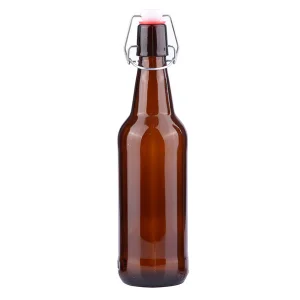
Wholesale Glass Beer Bottle with Easy Wire Swing Cap Manufacturer, Manufacturers
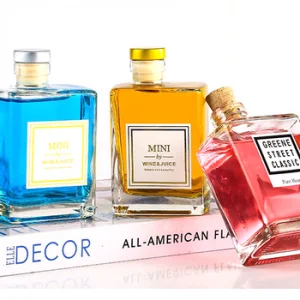
Wholesale 250 ml Bulk square shape vodka liquor glass bottle Manufacturer, Manufacturers
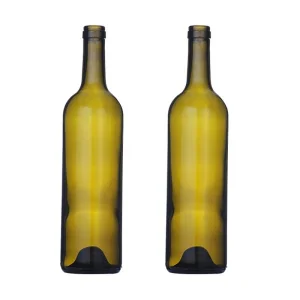
Wholesale 750ml Antique Green Cork Finish Wine Bottles Manufacturers, Suppliers
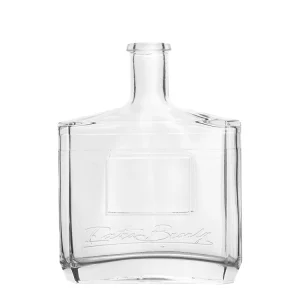
China Custom 700ml Clear Flat Square Whisky Liquor Glass Bottle Manufacturers, Supplier
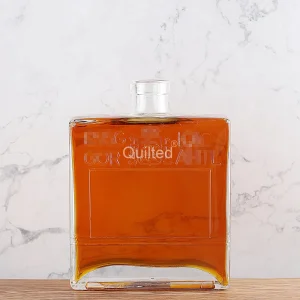
Wholesale 700 ml flat shape liquor glass vodka bottle with cork Manufacturer, Suppliers
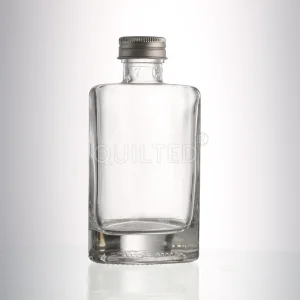
Wholesale 250 ml triangle shape liquor glass vodka bottle Supplier, Suppliers
Get answers to technical queries, minimum order quantities (MOQs), customization parameters, and logistics.
The standard size of a 375 ml bottle typically varies by shape. For example, a Bordeaux shape has an average height of 240mm and a base diameter of 60mm. A Burgundy shape is generally shorter at around 228mm but slightly wider at 65mm. We can customize dimensions to meet your specific packaging line requirements.
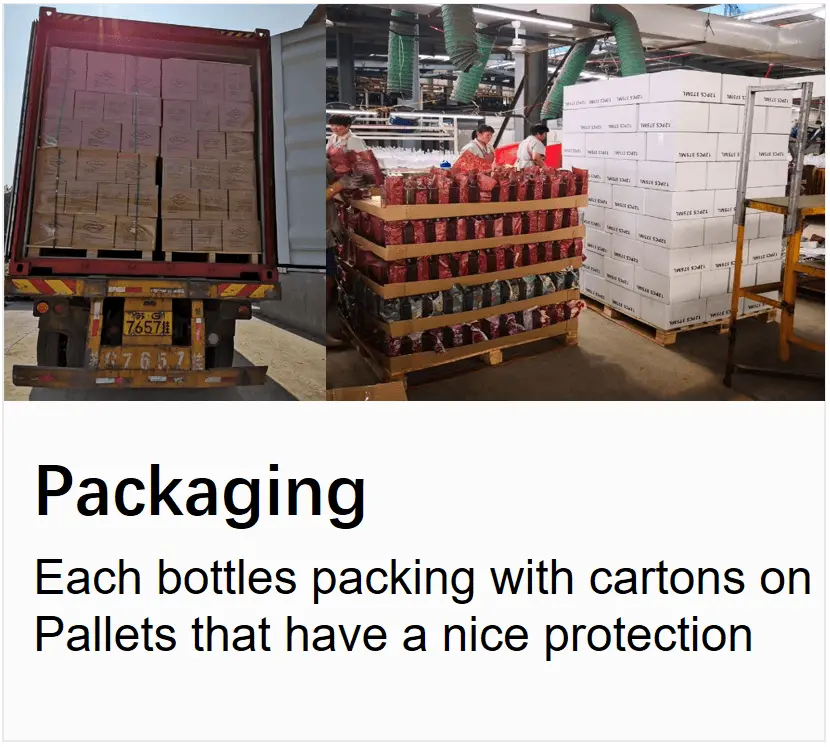
For items currently in stock, the MOQ is 1 pallet. For custom designs or customized production runs, the standard MOQ typically starts at 30,000 units (one 40HQ container). This helps cover the mold setups and manufacturing efficiencies of our IS machinery.
Yes, we offer complete packaging solutions. We can supply matching GPI screw caps, natural corks, synthetic corks, aluminum screw caps, and tamper-evident shrink bands. This helps ensure a secure seal and consistent dimensions for your selected bottle neck finish.
Our facility uses automated optical inspection systems on the cold end of our production line. These systems inspect each bottle for wall thickness uniformity, thermal stress cracks, and neck finish accuracy. Additionally, we conduct regular offline tests for thermal shock resistance and vertical load strength in our laboratories.
Yes. Our in-house design team can engrave custom logos, brand assets, or unique surface textures into the mold. We utilize 3D prototyping prior to mold production, allowing you to preview and approve the design before beginning bulk manufacturing.
For stock items, we can dispatch products within 7 to 15 days. For custom productions, the process typically takes 30 to 45 days. This allows for custom mold creation, production scheduling, testing, and final quality control checks.