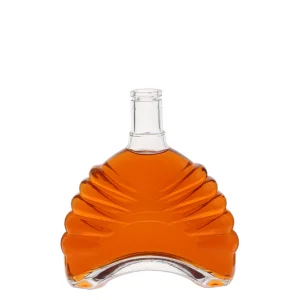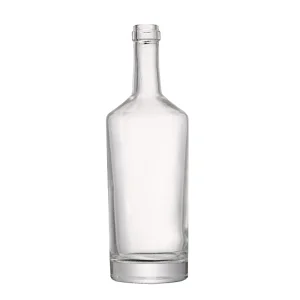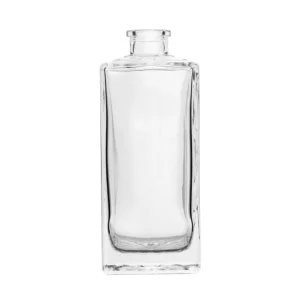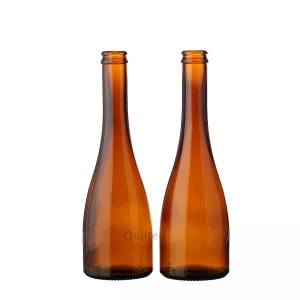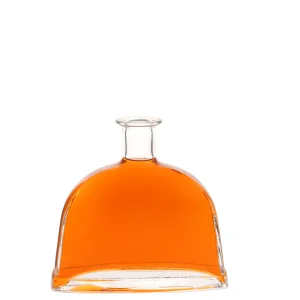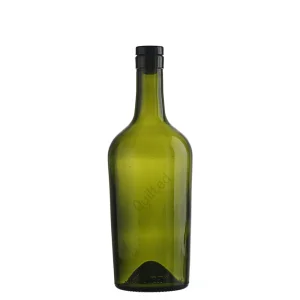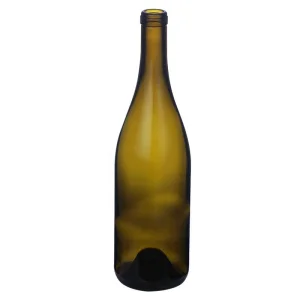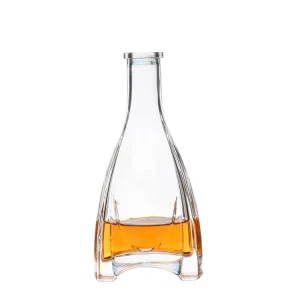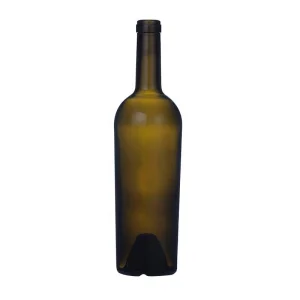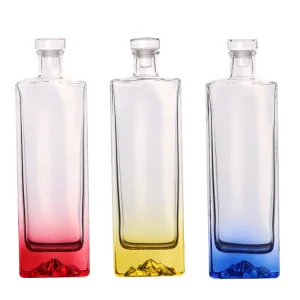
Explore our core collection of ultra-flint, amber, and custom-finish glass containers engineered specifically for cork and glass stoppers.
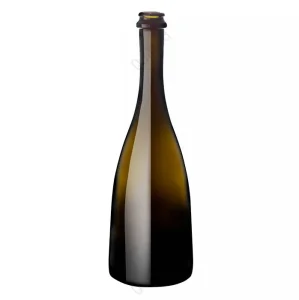
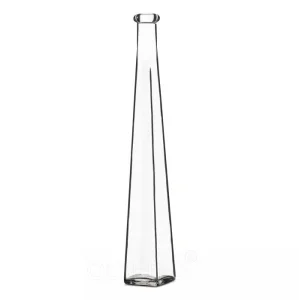
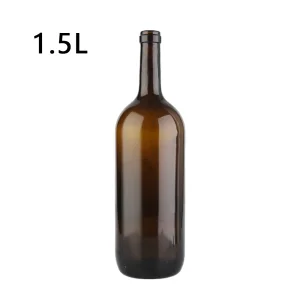
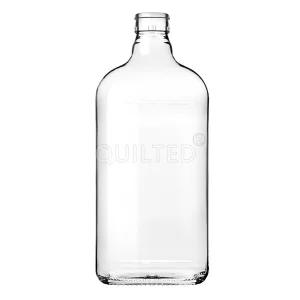
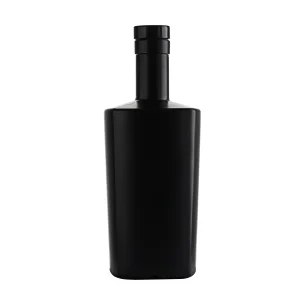
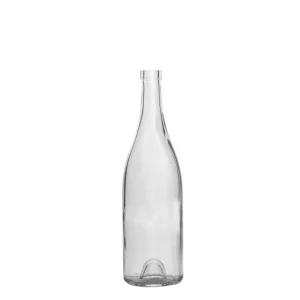

Our premier custom bottle manufacturing service, with an optimized supply chain, seamlessly transforms your concepts into stunning packaging solutions.

Crafting our custom glass packaging solutions within our state-of-the-art bottling facility enables us to drive down costs while ensuring swift delivery of top-notch finished goods.

Avail yourself of our complimentary glass bottle samples, aiding you in solidifying your decision to invest in our premium glass bottle selections, facilitating bulk purchases with confidence.
For centuries, the global wine and spirits industries have relied heavily on natural bark corks and screw caps to preserve bottled products. However, as modern premiumization dominates consumer demands, wineries and distilleries are shifting to advanced glass closure systems—frequently referred to as glass stoppers or glass corks. Unlike traditional closures, a premium wine glass stopper provides a completely inert barrier, eliminating the risk of 2,4,6-trichloroanisole (TCA) contamination, commonly known as cork taint, which affects up to 3% to 5% of traditional cork-sealed wines globally.
From a macromarket perspective, the demand for high-end glass closures is expanding from boutique European vineyards to commercial wineries across North America, South America, and Oceania. This shift is driven not only by quality assurance but also by aesthetic differentiation. In a crowded retail space, a bottle utilizing a sleek, glass-on-glass closure mechanism communicates instant premium value, encouraging consumer reuse and reinforcing brand retention long after the wine is consumed.
Unlike plastic synthetics, which can allow high rates of oxygen permeation over time, or screw caps, which can cause reduction issues, glass stoppers fitted with premium food-grade Elvax or silicone sealing rings offer a highly predictable, consistent, and low OTR. This ensures that the wine ages under precise, stable conditions from batch to batch.
As a major global wine glass stopper for wine bottle supplier, we recognize that the primary challenge for large-scale bottling facilities, distributors, and importers lies within supply chain reliability and mechanical tolerance consistency. A glass stopper requires incredibly tight dimensional tolerances (often within ±0.15mm) at the bottle mouth. Standard glass manufacturing lines often struggle to maintain such precision, leading to leakage or mechanical failure during high-speed bottling.
Our factory solves this through an integrated production flow. By controlling both bottle-making and closure fabrication under one operational umbrella, we guarantee a flawless mechanical fit. Our raw material selection utilizes high-purity silica sand, ensuring excellent clarity, structural integrity, and resistance to thermal shock.
Understanding the composition of a high-performance wine bottle glass stopper is critical for packaging engineers and quality assurance directors. The glass body is typically forged from high-density flint glass, polished to perfection to remove any micro-fissures. The sealing ring—a critical component—is made from advanced thermoplastic elastomers (TPE) or medical-grade silicone. This gasket must be completely free of plasticizers, phthalates, and bisphenols (BPA-free) to comply with international food contact regulations.
The stopper functions via a wedge-lock mechanical interface. When pressed into the customized neck finish of a premium glass bottle, the elastomeric ring compresses slightly, creating a multi-point hermetic seal against the inner glass wall. This seal is capable of resisting pressure differentials caused by altitude shifts during global shipping and temperature fluctuations in warehousing.
In Stock, On Time: QLT Glass, Your Swift Solution for Premium Packaging. Ready to Ship Excellence!
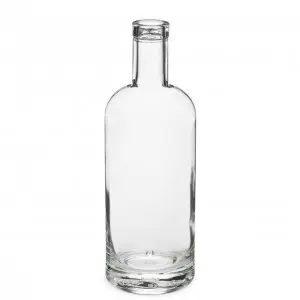
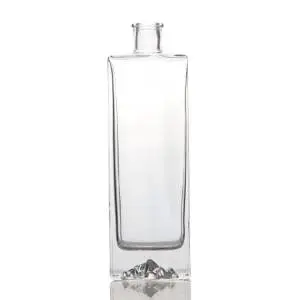
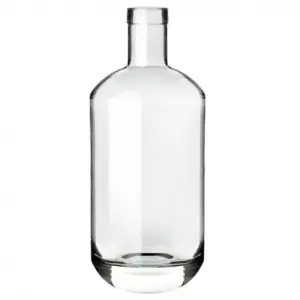
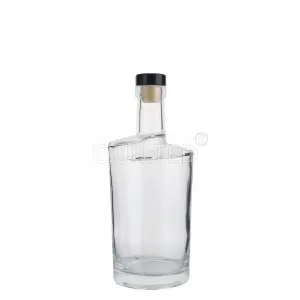
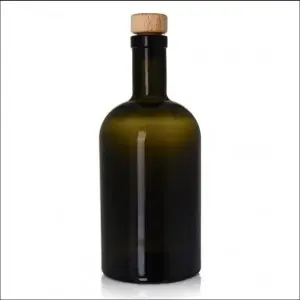
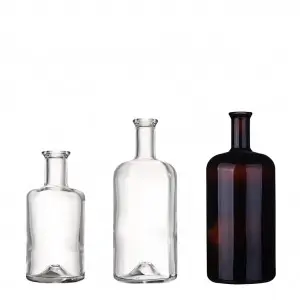
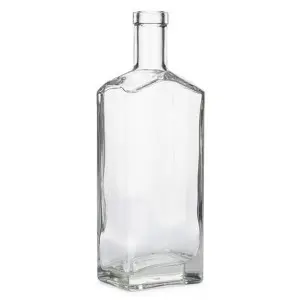
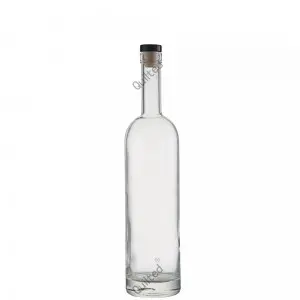
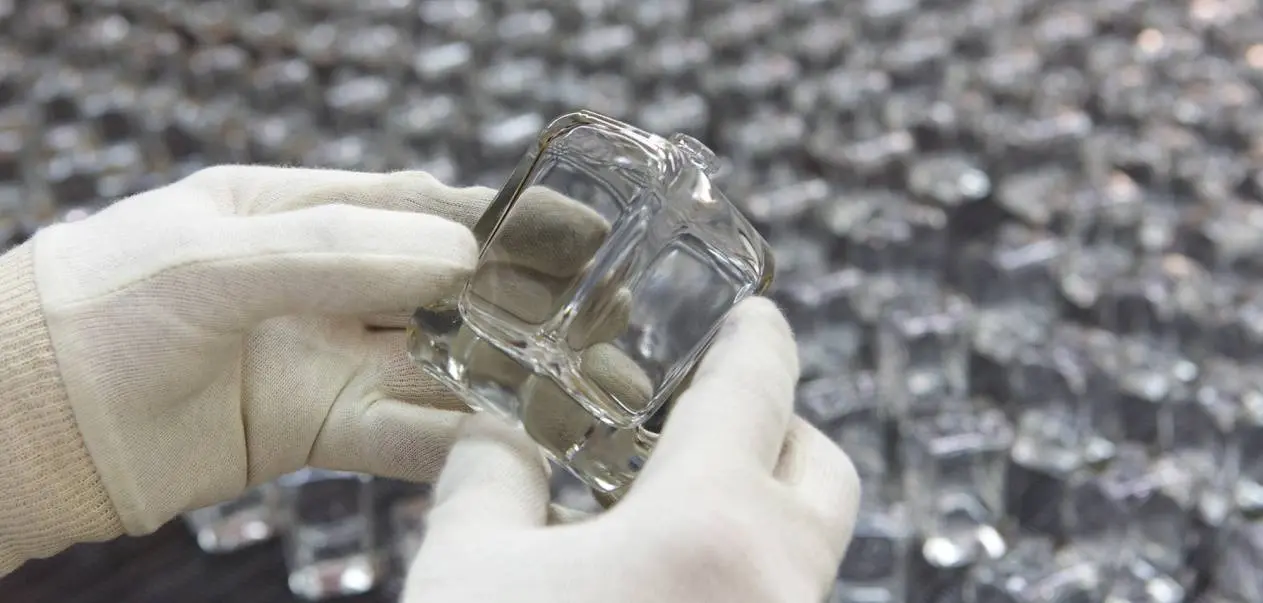
As a leading Chinese glass bottle manufacturer, we take pride in our ability to produce glass bottles from start to finish. Our integrated processes encompass raw material crushing and mixing, precise batching, melting, shaping, and meticulous annealing, ensuring top-notch quality at every step.
By operating modern, energy-efficient furnace lines equipped with automated inspection machinery, we supply global markets with premium packaging products that satisfy the most stringent international standards.
read allA complete portfolio of wine, spirit, and liquor containers matching various neck finishes and glass stoppers.
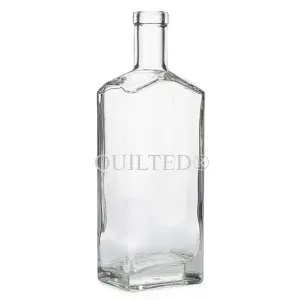
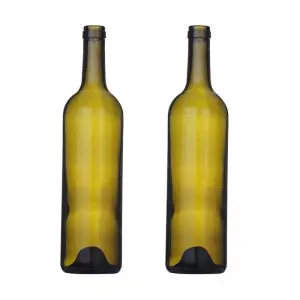
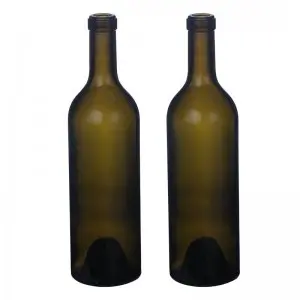
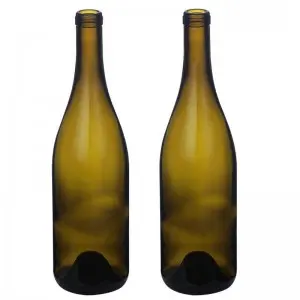
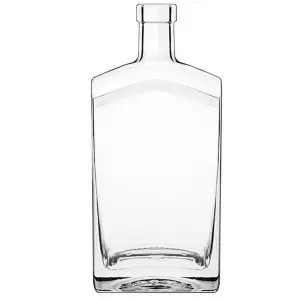
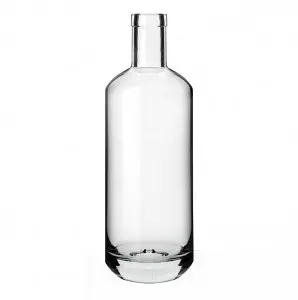
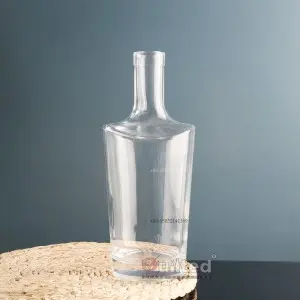
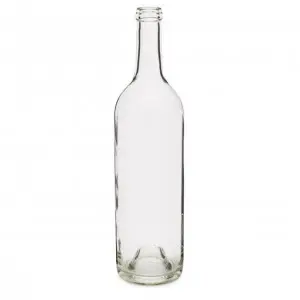
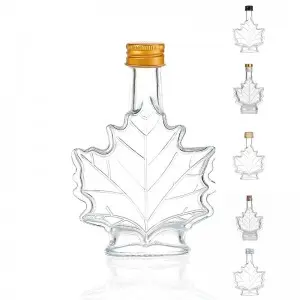
Navigating regulatory compliance is a major operational hurdle when sourcing glass components overseas. Countries in the European Union, North America, and the Asia-Pacific region enforce strict thresholds on heavy metal leaching (such as lead, cadmium, mercury, and hexavalent chromium) in glass containers.
As a globally certified supplier, we ensure all products comply with the FDA Food Contact Substance (FCS) notifications, California Proposition 65, and the European Union’s EC 1935/2004 framework. Each production lot undergoes rigorous mechanical and chemical extraction testing, including vertical load performance, thermal shock resistance, and acid resistance. For wineries utilizing automated capping machinery, we provide localized technical consultation and engineering adjustment logs, minimizing line-stop incidents and optimizing the application force required to seat each glass stopper.
Implementing glass stoppers on an industrial scale requires careful integration with existing capping or corking machines. While corks are compressed and driven into the bottle neck, glass stoppers require a push-and-lock configuration.
Our engineering support team provides conversion specifications for major monobloc filler/capper brands. To successfully run glass stoppers, standard plunger heads must be swapped with flat, polyurethane-capped pistons to prevent metal-on-glass impact. Our design ensures that the downward force is distributed uniformly across the head of the stopper, seating the seal securely without generating micro-fissures in the glass container mouth.
The future of beverage packaging is inextricably linked with environmental sustainability and reduction in carbon footprint. Traditional cork production relies on strip-harvesting bark, which has natural volume constraints. Glass is infinitely recyclable. By producing both bottle and glass closure locally, we reduce the emissions overhead typical of sourcing materials from multiple continents.
Our current development roadmap focuses on integrating bio-based, biodegradable elastomers for our sealing rings, ensuring the entire closure unit can breakdown or be recycled cleanly without generating microplastics. Wineries selecting our glass-on-glass system actively reduce the carbon intensity of their distribution chain by shifting to lightweight glass formats without losing premium shelf presence.
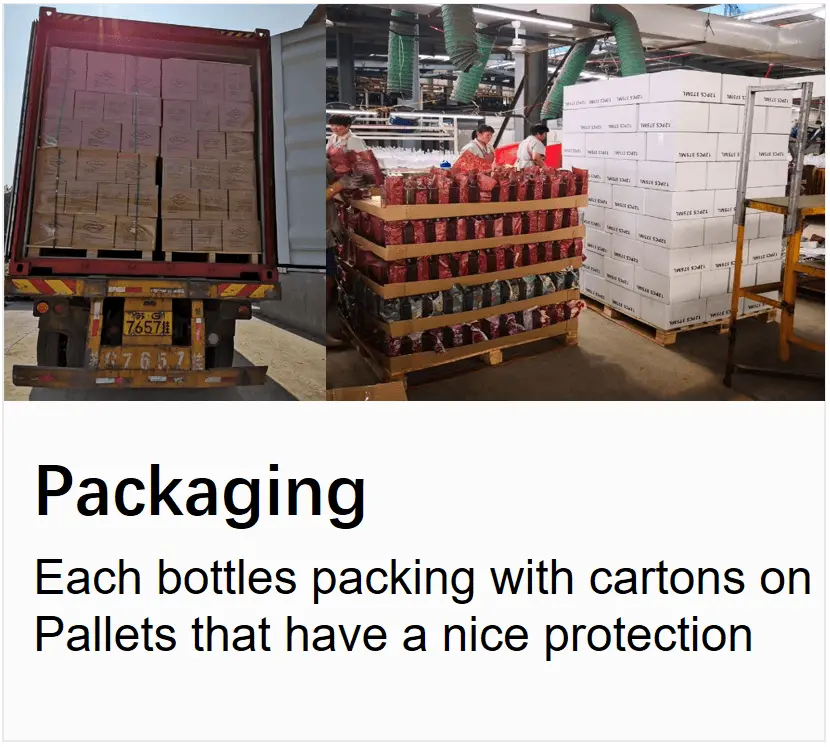
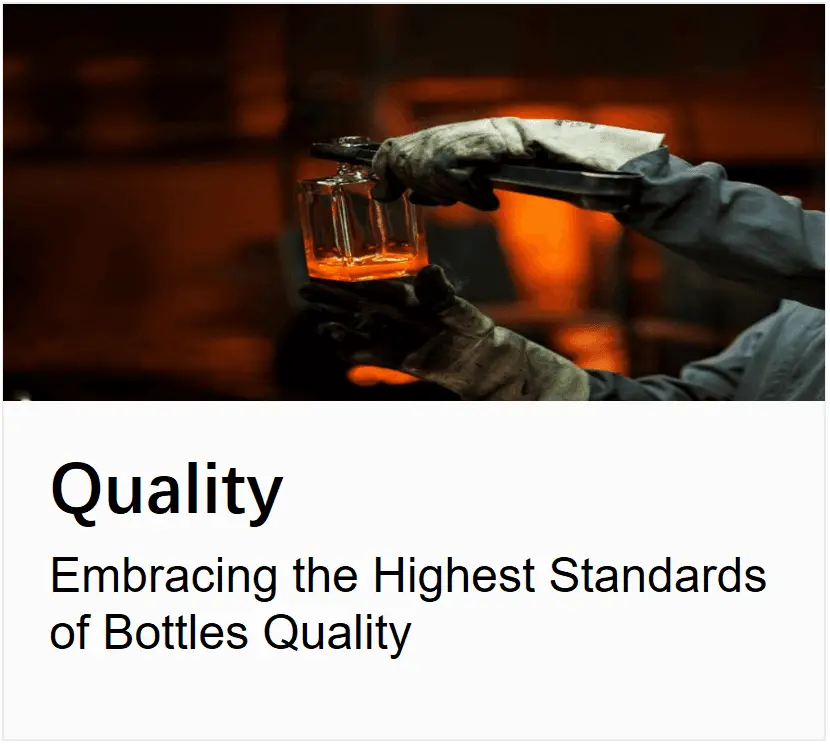
Operating under world-class safety and quality control systems.
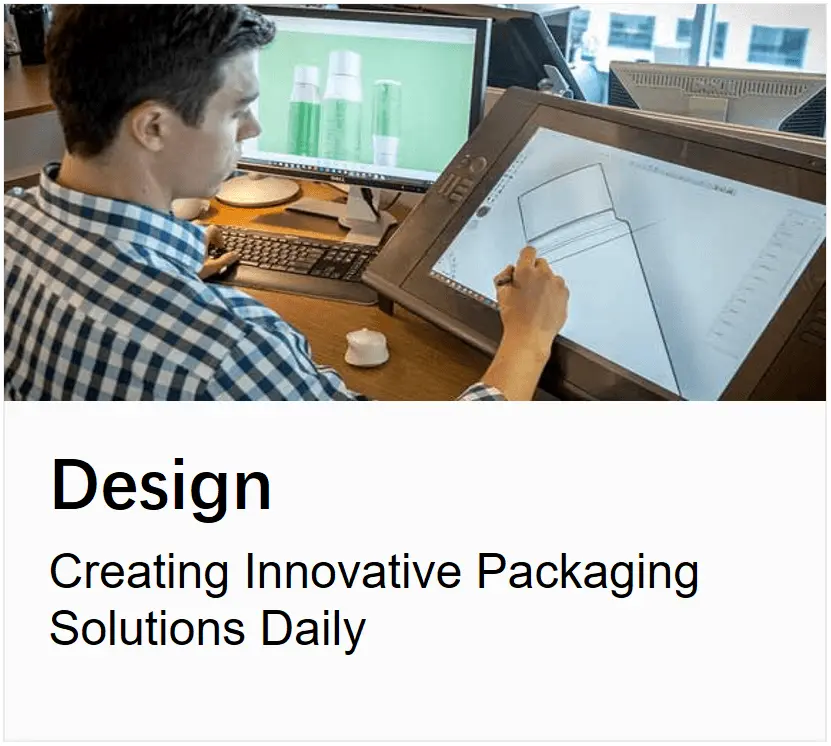
Get direct, expert answers to key engineering and logistical questions surrounding wholesale glass stoppers.
Glass stoppers require high-precision internal neck configurations. The standard tolerance allowed inside the bottle neck is typically ±0.15mm. Because standard packaging lines can vary, we recommend utilizing matching bottle designs from our self-owned factory, where glass mouth measurements are verified inline by digital optoelectronic sensors.
Yes, our entire output complies with EC 1935/2004, German LFGB, and FDA requirements. The sealing gasket is made of high-quality Elvax (EVA polymer) or premium silicone, which is completely free from BPA, plasticizers, and other potential chemical leaching agents.
Glass stoppers are highly favored by consumers because they are easily resealable and completely reusable at home. From a municipal perspective, the glass portion is 100% recyclable. The elastomeric ring can be separated and recycled cleanly under standard plastic recycling protocols, reducing municipal solid waste.
In most cases, no. Modern monobloc corking and capping systems can be converted using a specific glass stopper capping head. Our engineering department can supply matching conversion kits and technical drawings to help your plant technicians set up your existing line efficiently.
Explore the rest of our premium cork finish and custom-fit glass bottle options designed for absolute airtight performance.